

We're an affiliate
We hope you love the products we recommend! Just so you know, we may collect a share of sales or other compensation from the links on this page at no additional cost to you. Thank you if you use our links, we really appreciate it!
On top of being loyal companions, dogs are also intelligent and trainable household pets who can learn a lot of tricks.
Teaching your dog a few tricks will strengthen your bond, improve your pet parenting journey, and give you confidence to recall them from harm.
In this guide, we will take you through 20 tricks to teach your dog from essential command training to advanced-level cues, and how to train your dog to execute them.
20 Tricks to Teach Your Dog
1. Sit
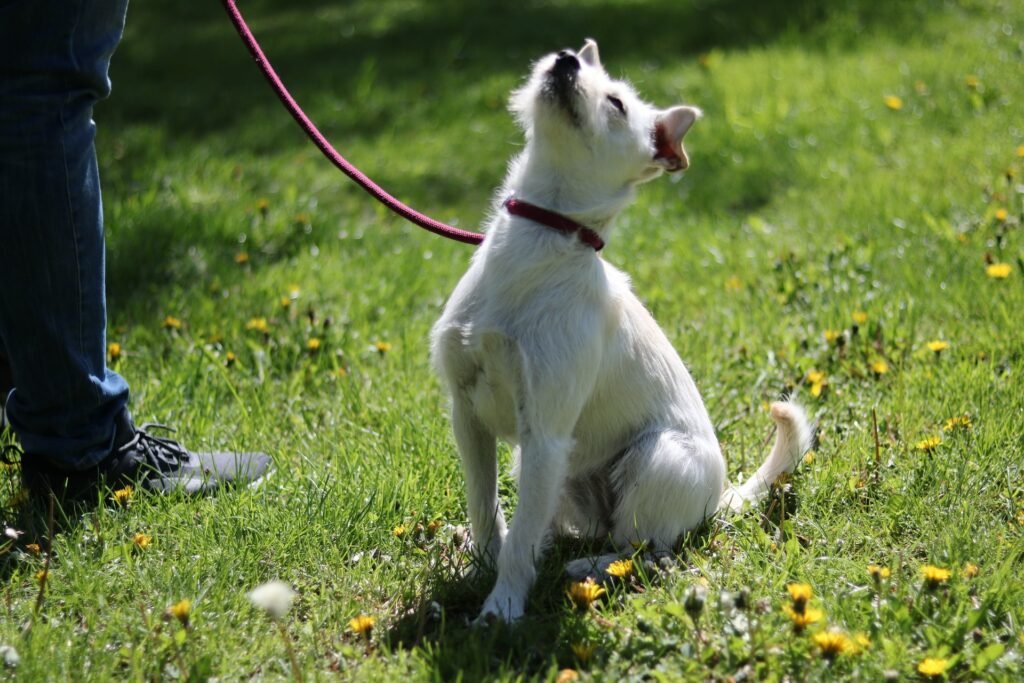
Teaching your dog to sit is one of the easiest obedience training you can ever undertake, no wonder it is so popular among many pet parents.
Dogs who respond to this command are more receptive and always ready to learn other tricks and difficult tricks.
This command is highly applicable in everyday life including when you’re waiting in traffic or when you want your canine friend to stay calm in front of your guests.
Start by holding a treat or toy above your dog’s head to get their attention and slowly move your hand up. This gesture will make your dog follow your hand with their nose and automatically sit down.
Once your dog is seated, make sure to reward the response with the treat and slowly introduce the hand or word cue in subsequent sessions. Repeat the process until your dog sits on command repeatedly.
2. Stay
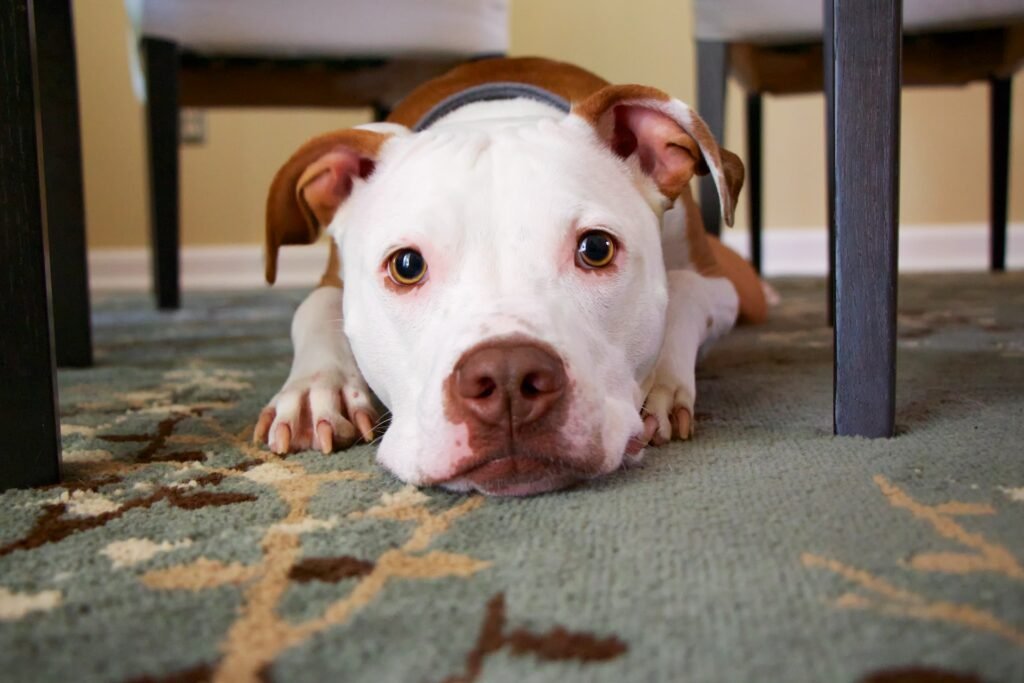
Teaching your dog to stay is a life-saving command that prevents them from running into potentially dangerous situations.
Once your dog is seated comfortably, you can start by putting your hand before their face and moving back while saying ‘stay’. Offer your dog a treat reward if they stay put on command.
Teaching the ‘stay’ command requires lots of practice even after they have mastered it because dogs can easily get distracted.
3. Stop
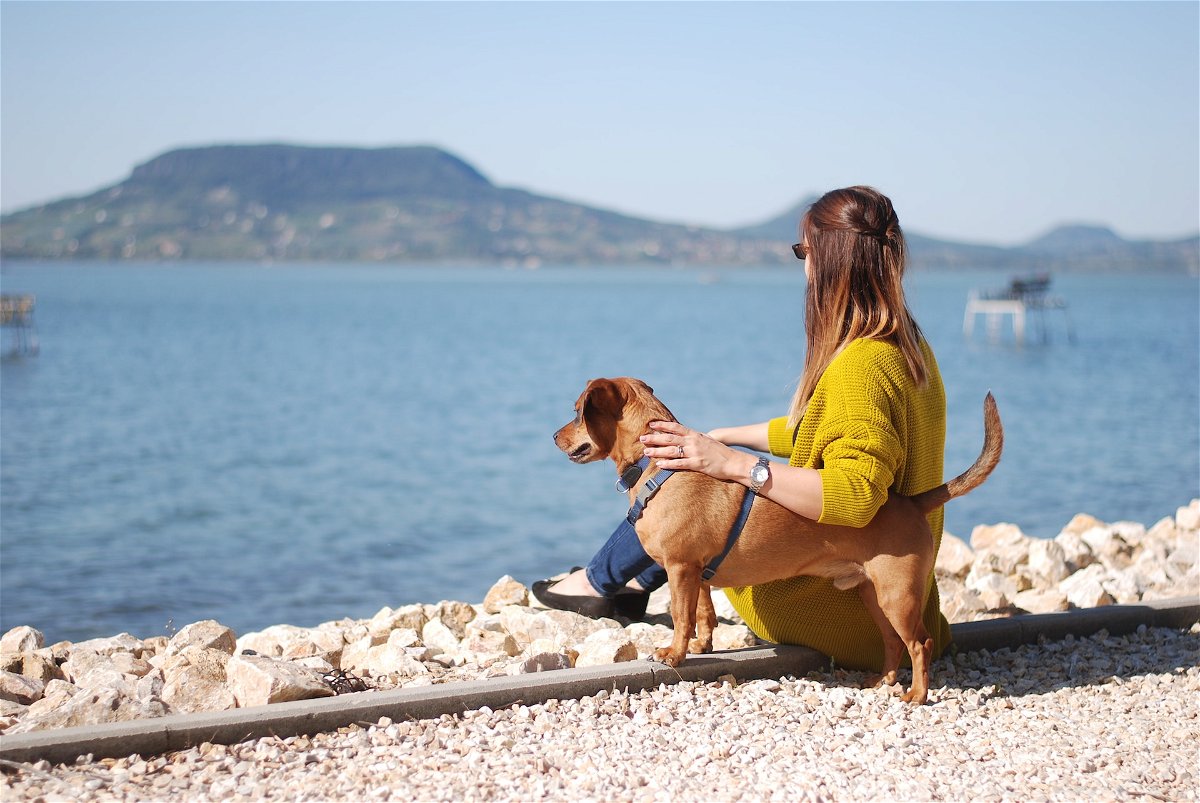
Teaching your dog to stop doing something on command is basic training that helps prioritize safety during walks and various activities.
You’ll need a handful of treats and a clear verbal cue to train your dog to halt doing something on command.
Remember to practice in controlled environments and gradually introduce distractions, reinforcing the behavior until it becomes engrained in your dog.
4. Come
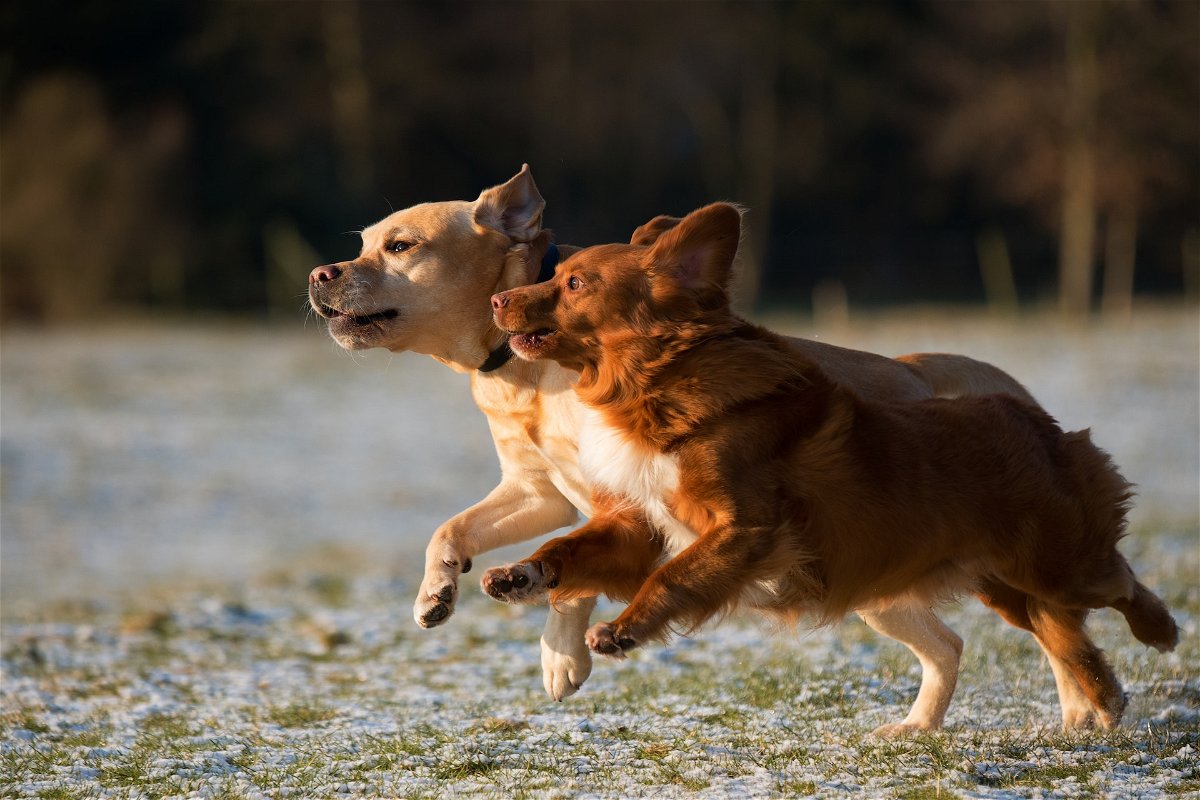
Nothing can be more satisfying than telling your dog to come and seeing them running toward you with a smiley face and wagging tails.
This command is not only cute, but it is also important for recalling your dog from dangerous situations especially when they go off-leash while on a busy street.
You’ll need a treat or your dog’s favorite toy to get their attention when starting this training. Once your furry friend smells the goodies and looks at you, give them a firm but friendly ‘come’ command.
Your dog will most likely start running toward you, so prepare a welcoming hug, praises, and treats to reward the positive response.
5. Go Potty
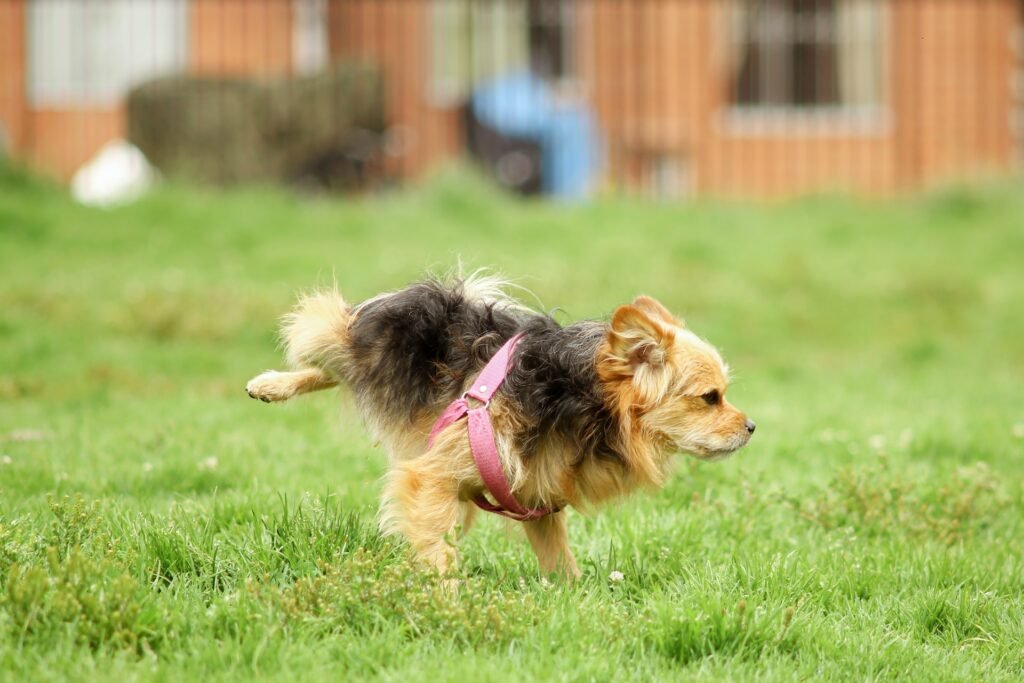
Creating and reinforcing a consistent bathroom routine is one of the most important things you can do for your dog and family. It’s also a very easy-to-do trick if you follow the steps correctly.
Take your dog outside frequently, especially after meals or before bedtime, and reward them with praise and treats for relieving outdoors.
Avoid scolding or punishing your canine friend for indoor potty accidents and make sure to continue with positive reinforcement to strengthen the desired behavior.
6. Let’s go
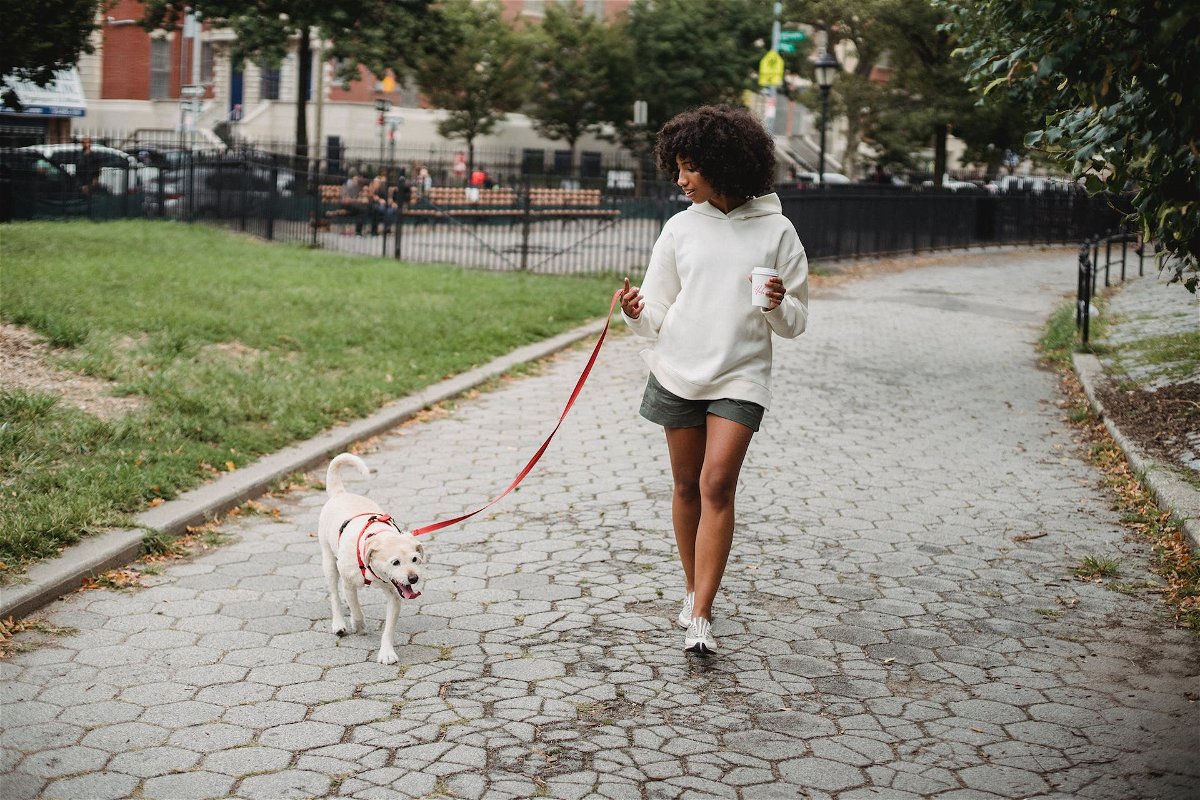
The ‘let’s go’ command can be very helpful in many situations such as when your furry friend is holding onto something dangerous or when taking them out.
Teaching your dog to respond to this command is fairly easy. You can start by giving the dog a treat or toy to hold and then saying ‘let’s go’ while taking the valuable item away.
Remember to praise or pet your dog adequately for obeying this command and return the valuable item that you snatched from them.
7. Give Kiss
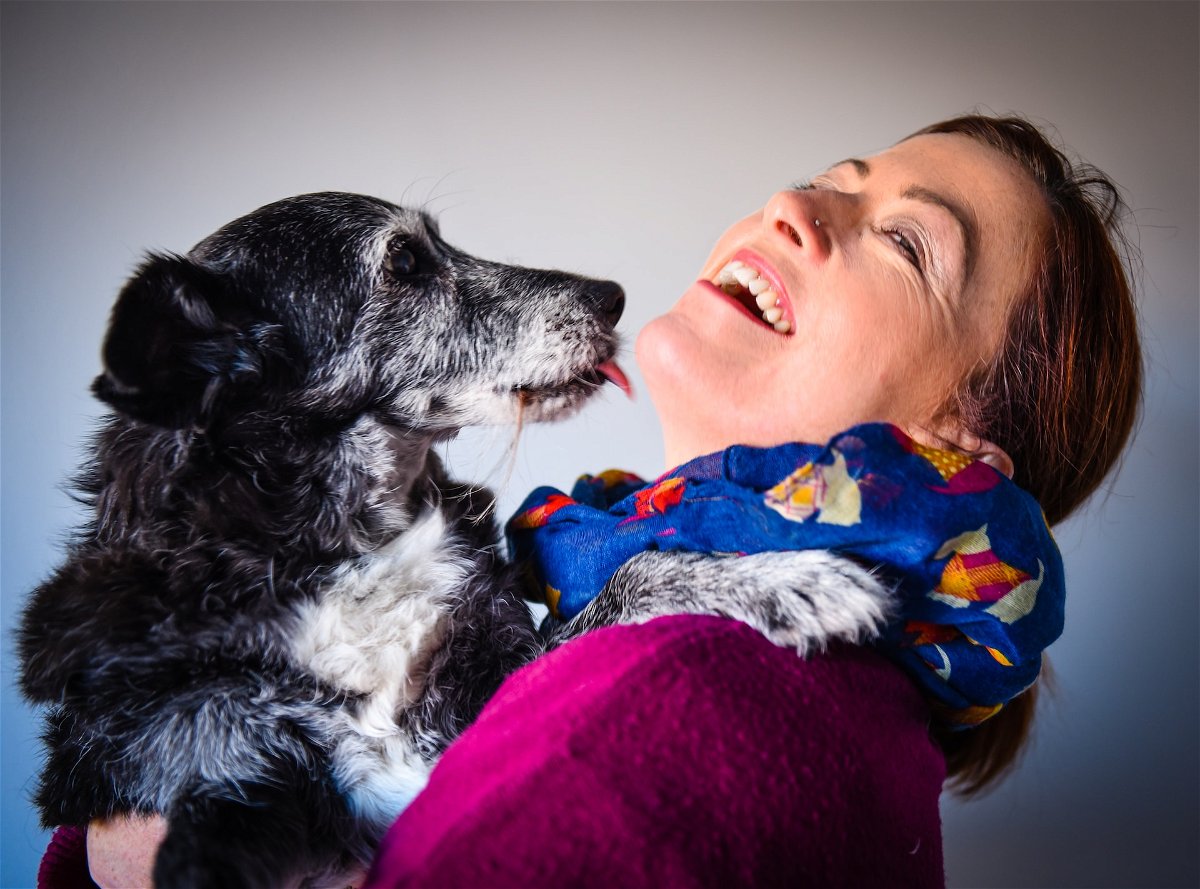
If you’re one of the many people who enjoy taking a doggie smooch, then you need to train them how to give kisses in a better way. Teaching your dog to kiss on command can also prevent excessive licking.
This command is fairly simple and it usually goes well with kids and teenagers. You can train this command by rubbing a crunchy treat on your cheek and asking your dog to kiss it.
Repeat the procedure until your dog responds to the command without the food motivation, and soon enough, you’ll be able to get the sweetest affection from your best friend on cue.
8. Back up
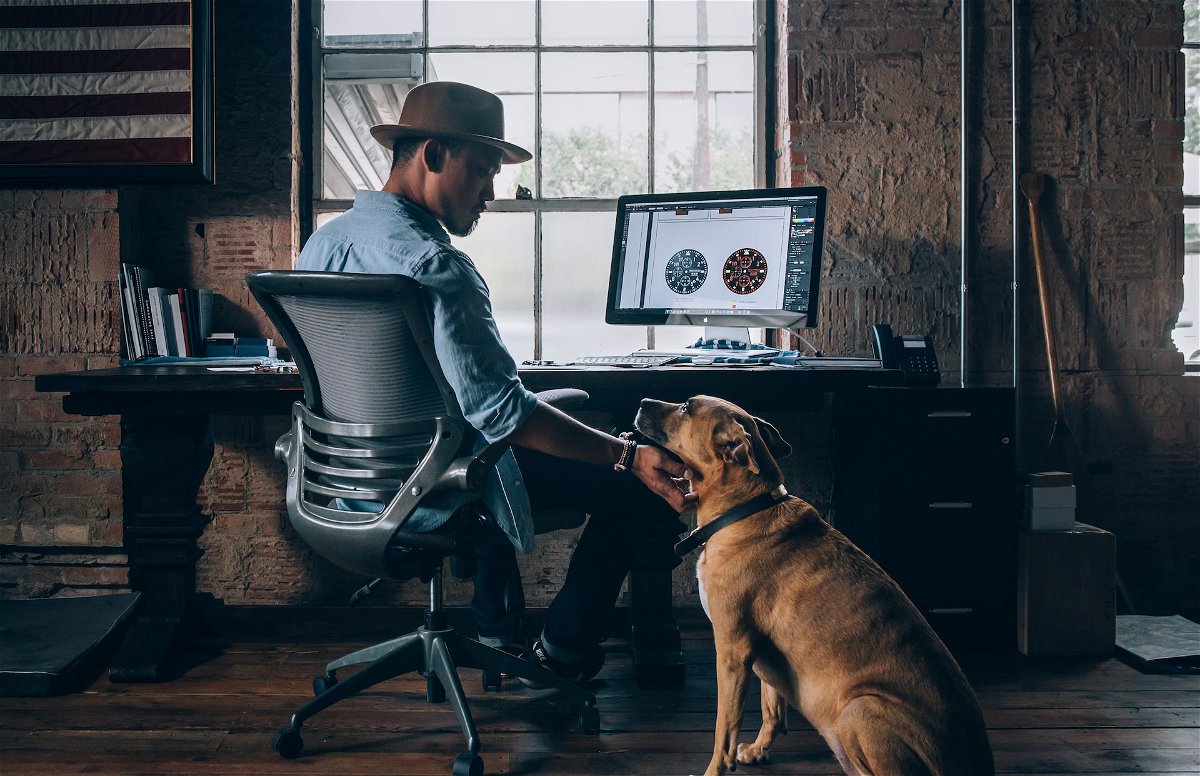
Teaching your dog to back up is fun and it can also come in handy in a variety of tricky situations.
Once your furry friend learns to back up on cue, you can confidently recall them from running into danger.
All you need to train your dog to back up on cue is patience, consistent hand signals, and a handful of tasty treats.
You can do this by encouraging your dog to step backward and rewarding each successful attempt until they respond reliably to the command on cue.
9. Shake Paw
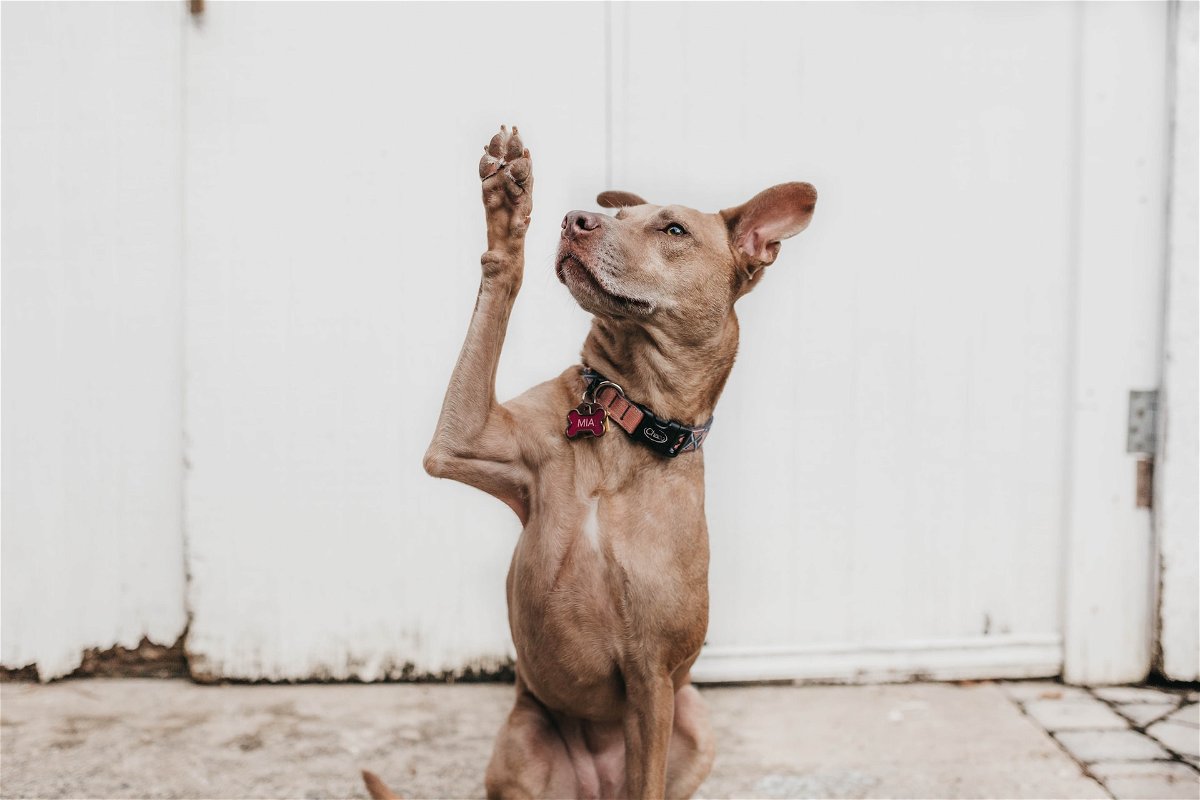
Teaching your dog to shake paws is not mandatory, but it is a very popular trick that can showcase your canine’s obedience levels.
This command is fairly easy, and it can be accomplished within a few consistent training sessions.
You’re likely to have an easy time teaching this cue because many dogs enjoy using their paws on interaction, and they will certainly love it when given attention based on that.
Make good use of positive reinforcement and repetition to train your dog to offer their paw on command. Gradually transition to a verbal cue without the need for treats.
10. High-five
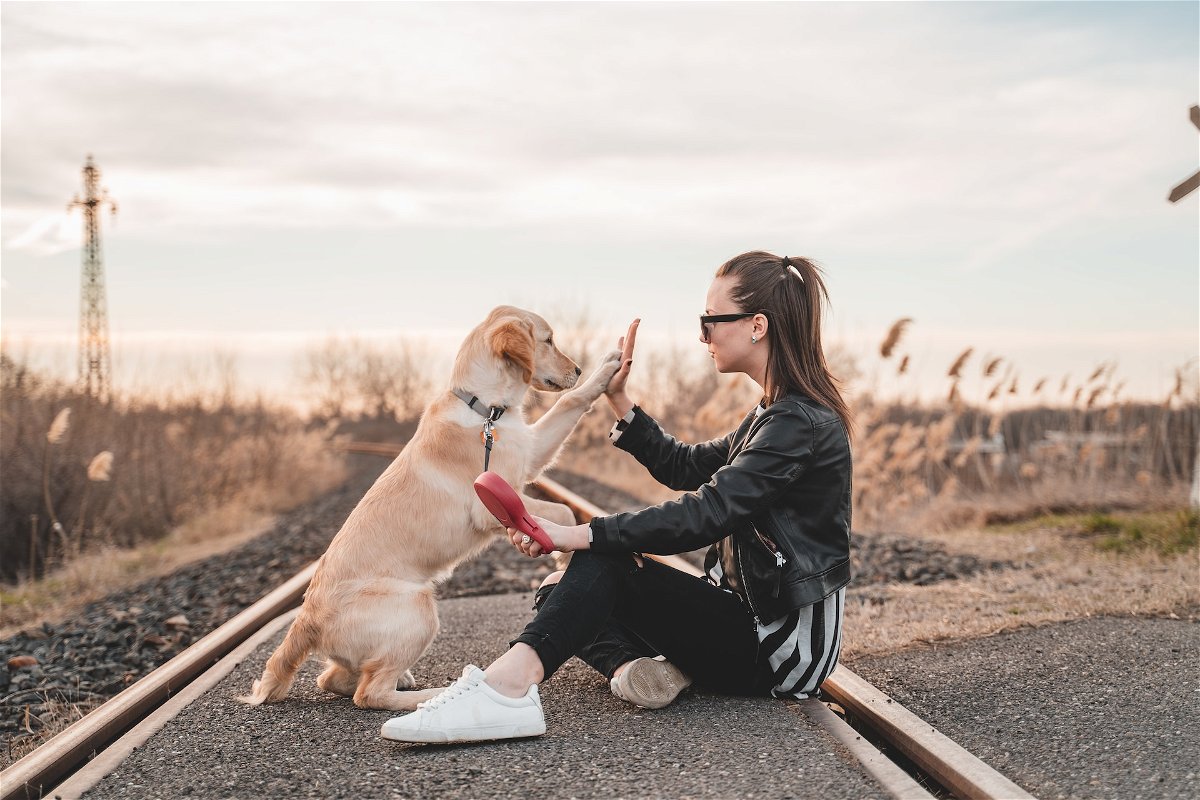
Once your dog learns how to shake paws, you can quickly transition and teach them this cool trick that will showcase their friendly personality.
The major difference between shake paw and high five is the position and how the trained dog places their paw against your hand.
Begin by having your dog in a sitting position. Hold a treat in your hand, show it to your dog, and then raise your hand slightly above their head.
As your dog reaches up to investigate, gently tap one of their paws with your free hand. Immediately reward them with the treat and offer praise. Repeat the procedure until your dog responds to this cue.
11. Spin
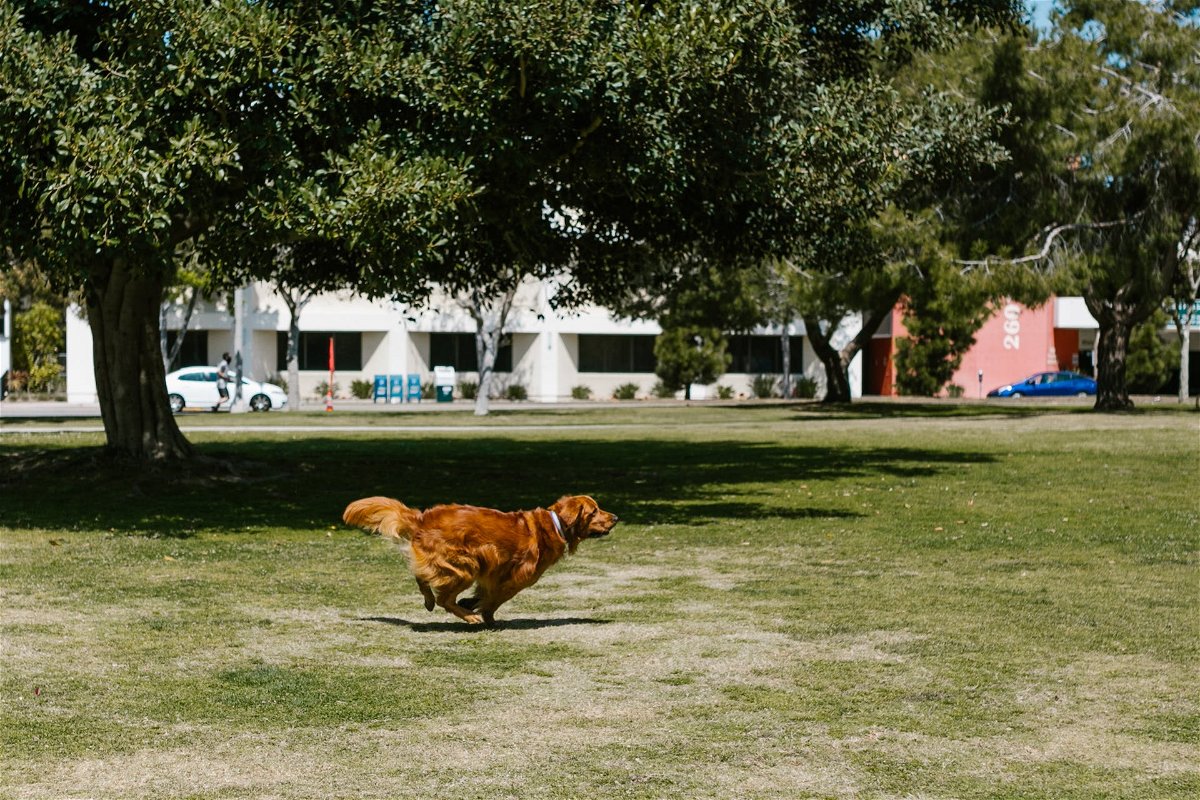
You can effortlessly lure your dog to make several spins by holding their favorite treat in your hand while making a circular motion.
Teaching your furry friend to spin in a specific direction can be entertaining. You can stand out among your fellow pet owners when showing them how your dog can differentiate between right and left.
12. Lie down
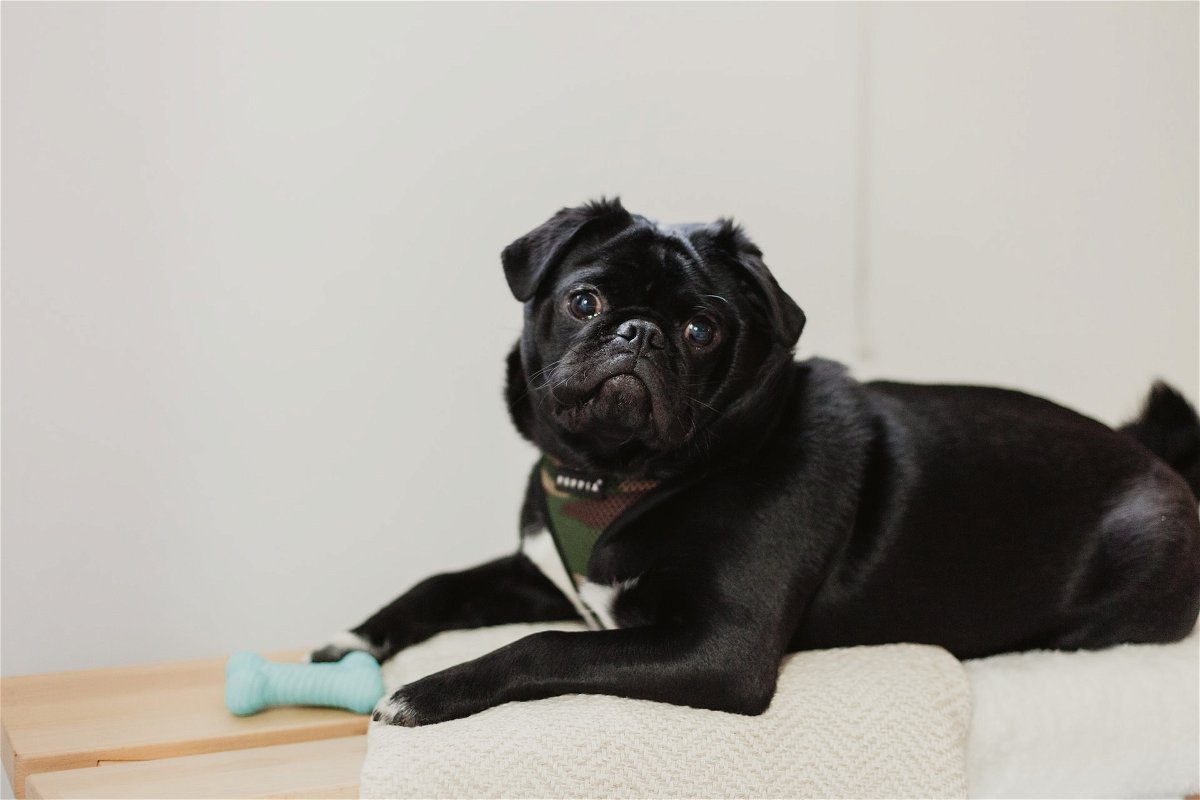
Teaching your dog to lie down on command is important for several reasons. This trick can help calm your dog when they’re getting too hyper or becoming rowdy.
This command can be built on the foundation of the ‘sit’ and ‘stay’ commands. Start the training by having your furry friend sit in front of you.
You can then give them the verbal cue ‘lie down’ while using a downward hand motion to guide them into what you expect.
Praise your dog and give them an enticing treat when they make a reliable response. With enough patience and practice, your dog will be able to execute this command without treats.
13. Roll over
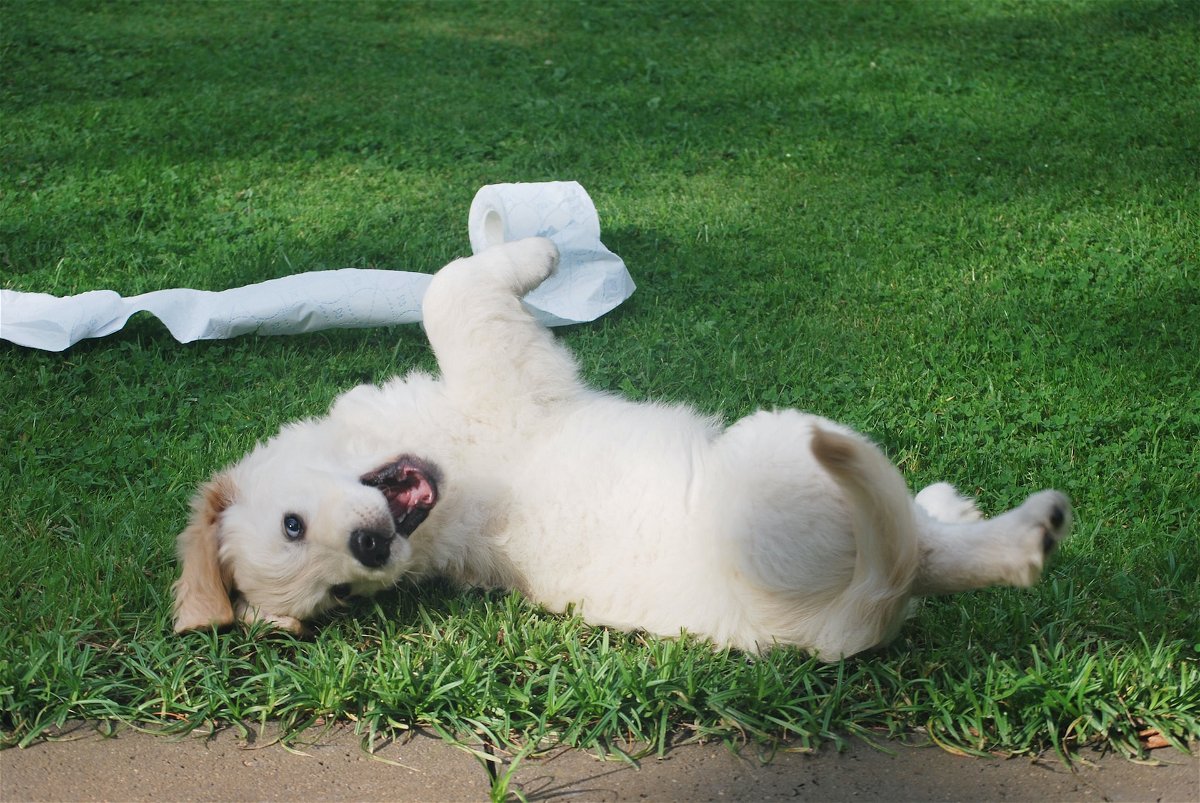
The roll over command is useful in asking your furry friend to roll over on their back. You can start this training by having your dog lie on their belly.
Hold a tasty treat firmly over their head and utter the phrase ‘roll over’ while moving the treat over their shoulders as they follow with their noses.
Once their head looks sideways, the dog’s entire body should follow suit and roll over their back in no time.
Mark the response with a clicker and hand over the treat as a sign of appreciation for the good response. Practice this command severally and slowly remove the enticing treat until your dog responds on cue.
This command can be useful when you want to inspect the underside of your dog for skin conditions or external parasites.
14. Jump
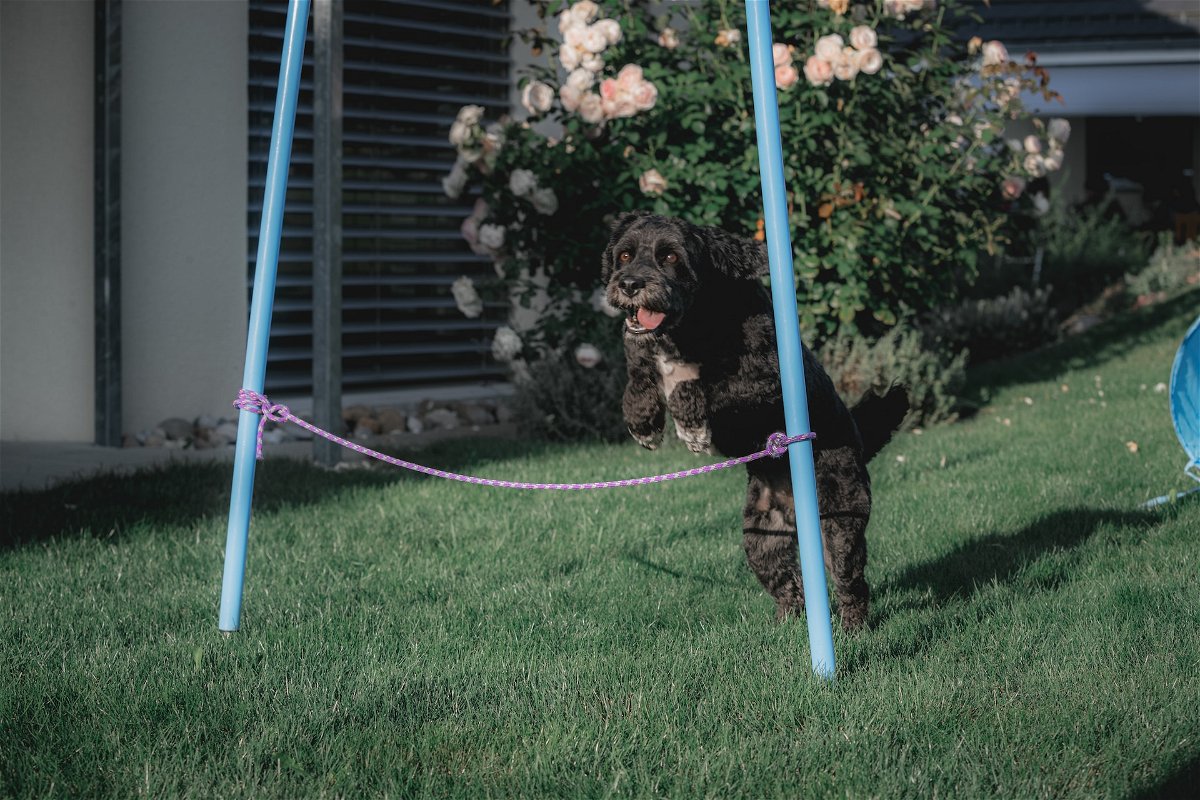
Training your dog to jump high and low is great for everyday physical exertion, agility training, hiking, and everyday fun.
You can start by teaching your dog to jump over your arms for fun and set up hurdles as you proceed with agility courses.
Make use of clear hand signals, verbal cues, and engagement to encourage your furry friend to take that leap with certainty.
Make sure to practice this trick gradually to make your dog perfect and prevent them from getting hurt when executing the process.
15. Ring the bell
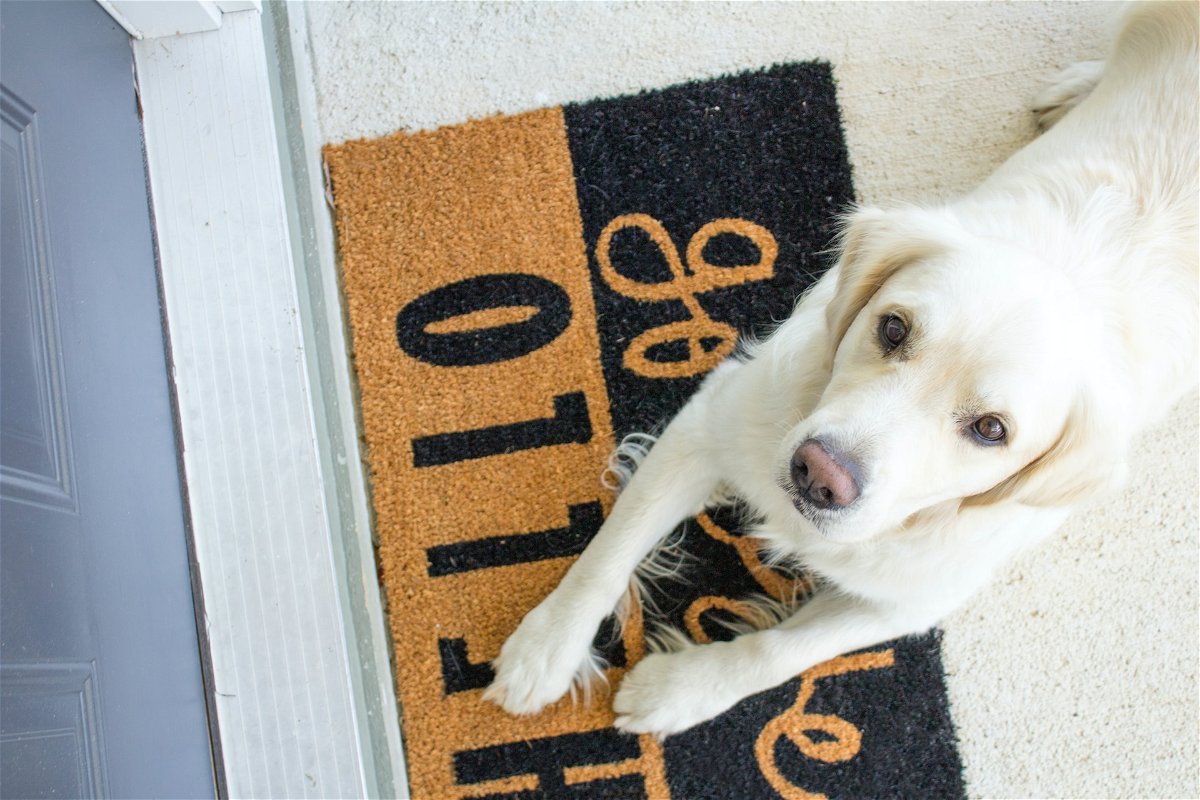
Teaching your dog to ring a bell is a practical and communicative trick that can be especially helpful for potty training or when your dog wants to go outside.
Using training treats and practicing patience throughout the process will definitely help your dog get the knack for this trick.
Make sure you’re there for your dog each time they ring the bell. Failing to show up might imply to your dog that the trick doesn’t add up.
16. Quiet
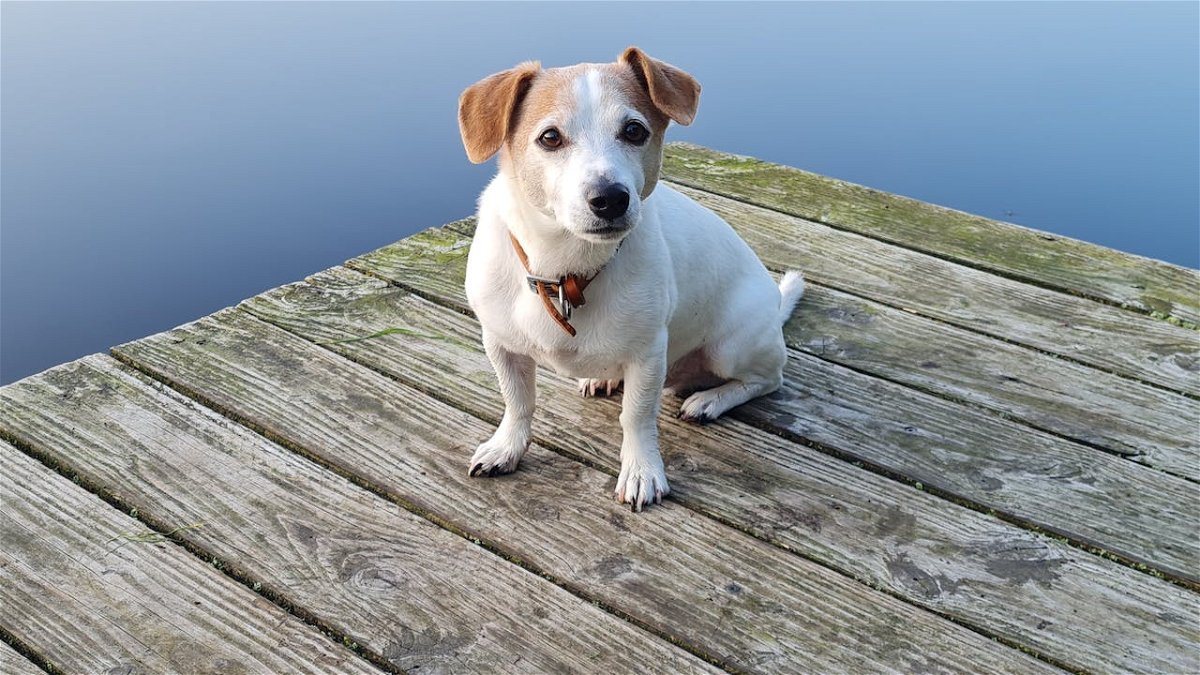
Teaching your dog to get quiet on command is useful in getting them to stop barking and maintaining a tranquil environment.
When your dog begins barking, say “quiet” in a firm but calm tone. Use a treat to redirect their attention away from barking and toward you.
Once your canine friend maintains silence, make sure to reward them with a treat and offer a few verbal praises to show your satisfaction with quietness.
17. Speak
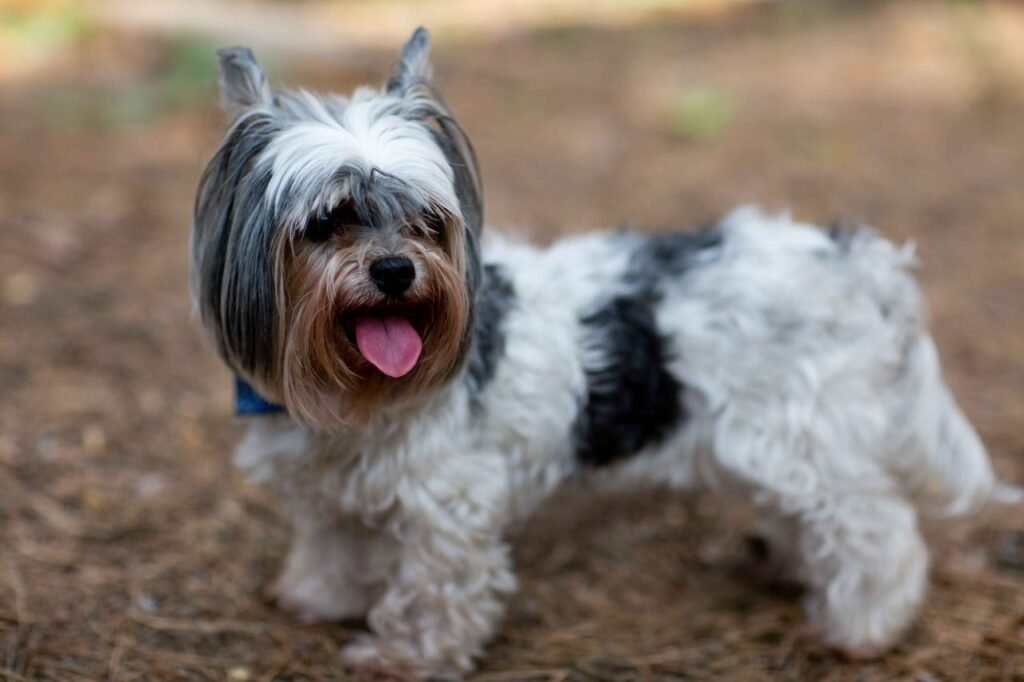
In addition to the quiet command, this one is also helpful in curbing excessive barking behavior by making your canine friend bark on cue.
Training your dog to speak works well when undertaken in a quiet environment free from noisy distractions.
It can be a lot of fun to have a highly trained dog with enough obedience to bark when only when needed.
18. Walk slowly
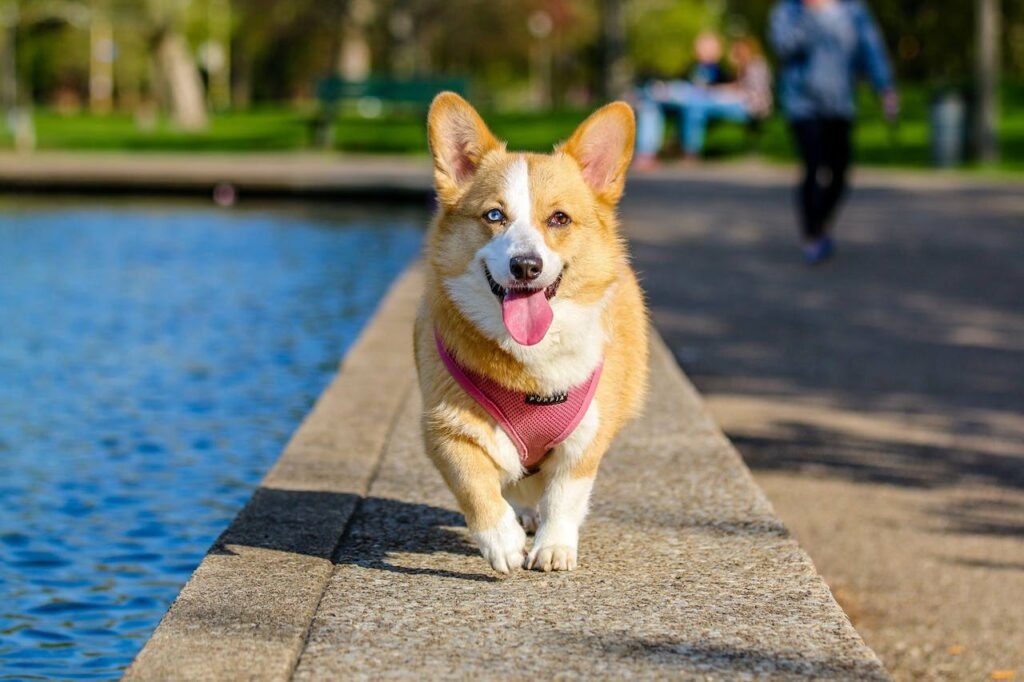
Teaching your dog to walk slowly can come in handy on many occasions, especially during outdoor conditions.
Training this command should be built on the backdrop of other basic tricks such as ‘come’, ‘stop’, and ‘sit’.
Have your dog seated away from you by one or two meters and call him by name or use the ‘come’ command.
If they start running fast, give the stop command and use a hand signal to encourage a slower pace. Once your dog walks slower, reward them with tasty goodies and repeat the process as needed.
19. Take a bow
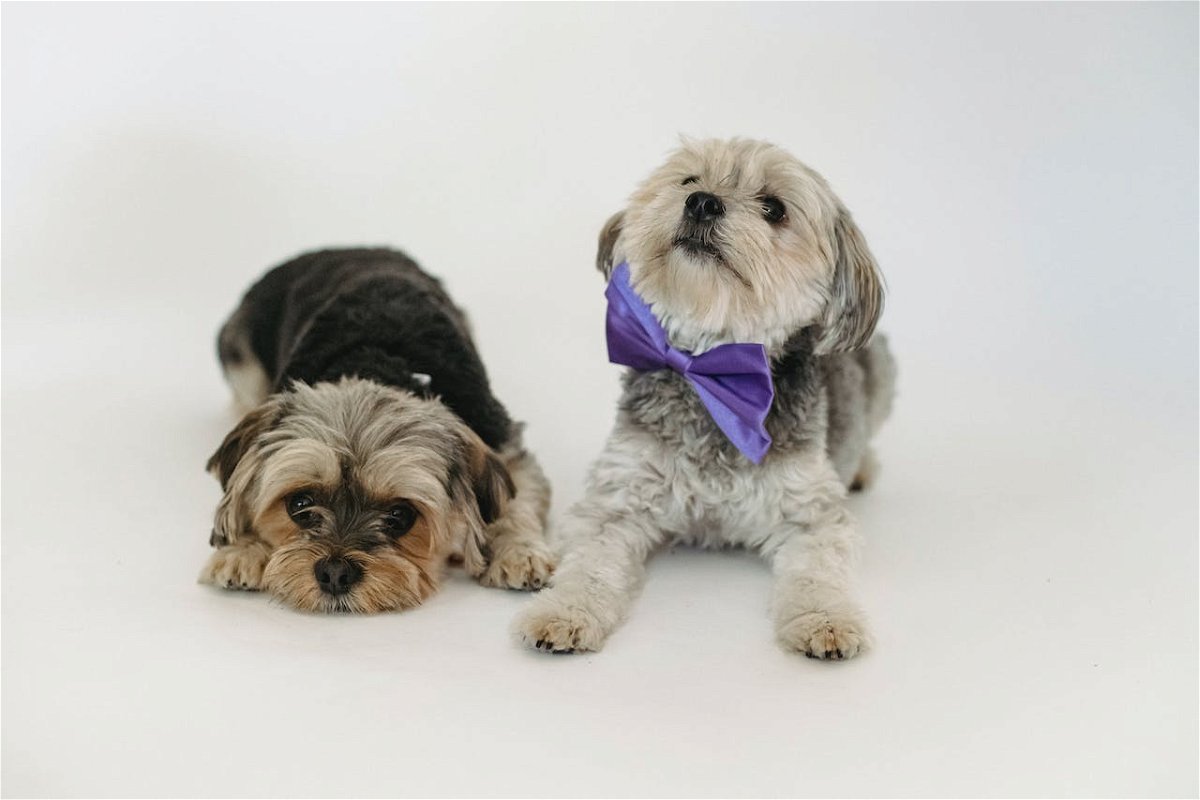
Teaching your dog this tick will have them stick their chest on the ground while raising their rear end in the air.
Even though it may initially sound like a heavy task to accomplish, you should approach it in confidence because bowing is a natural behavior for dogs.
Professional dog trainers call this behavior play bow because dogs usually take a bow when playing with each other. It is a subtle way of inviting each other for a play.
Teaching your dog to take a bow can be a cool idea to wrap up a training session or any other interactive engagement.
20. Guard
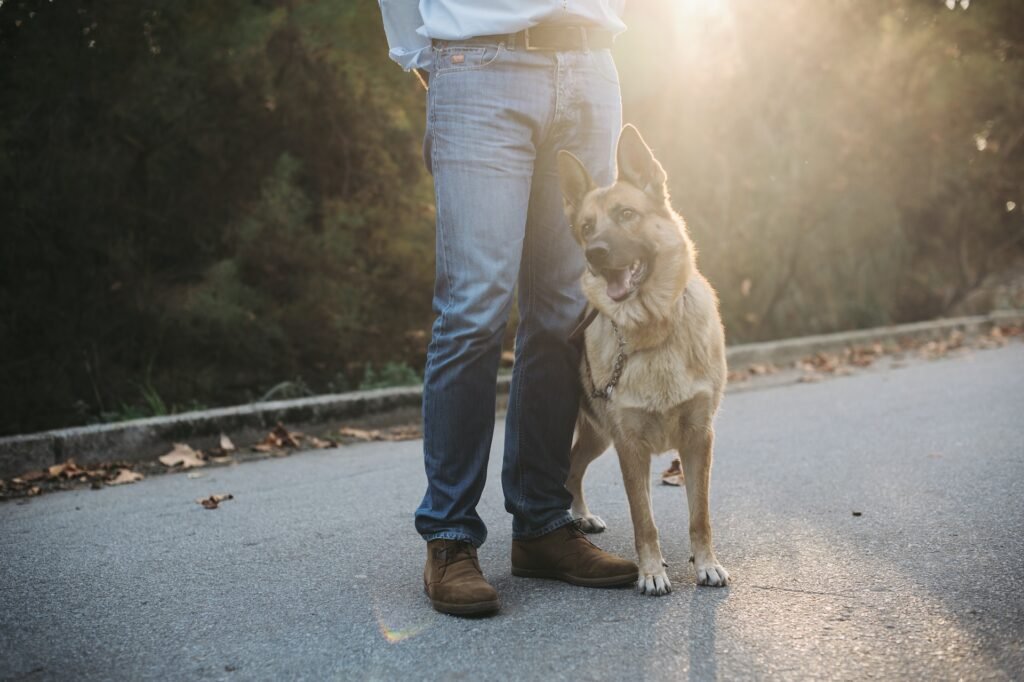
This is an advanced command that works well with guard dogs and watchdogs. It harnesses the dog’s protective instincts to make them look after your valuables.
Training your dog to guard your house and property should be reserved for well-trained dogs who can differentiate between regular visitors and potential attackers.
Conclusion
We strongly recommend you start teaching your dog these tricks as early as possible to make it easier for you.
Some of these 20 tricks to teach your dog are quite simple while others can be built on the foundation of basic training.
It’s prudent to start with the basic ones and work your way through the advanced tricks and commands.
Remember to practice patience and consistency, and have lots of treats for reward and motivation.

Laura is the founder of Furs'n'Paws. She is a also a pet writer and expert with more than 20 years of experience of working with dogs and cats. She developed a very strong love for animals at a young age. Her passion led her to establish a thriving pet sitting and dog walking business in Dubai. As an expert in pet training, behavior, and nutrition, Laura is committed to helping pet owners and pet lovers by offering high-quality information on a wide range of topics.
No responses yet